Preserving voices
A new initiative seeks to preserve K-State's legacy
By Ryan Leimkuehler
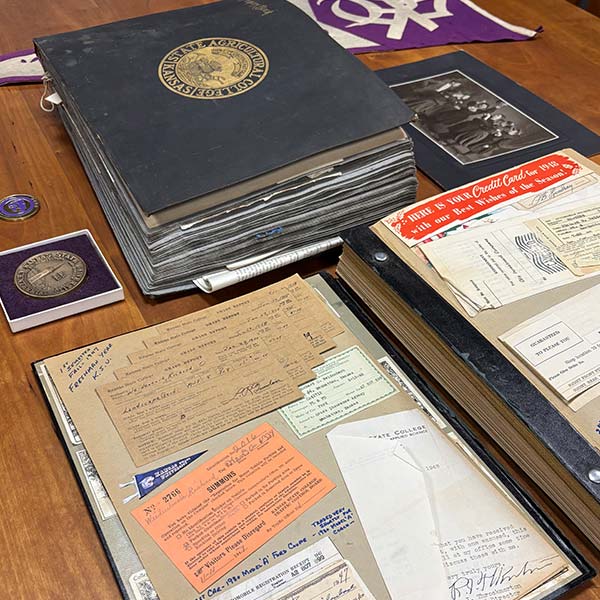
At Kansas State University, our history is not just written in books or stored in files; it lives in the voices of those who have walked our campus, faced its challenges and celebrated its triumphs. That’s why K-State Libraries is launching a new oral history program: to preserve the lived experiences that define our university’s legacy.
What are oral histories?
Oral histories are recorded interviews that capture personal stories, memories and reflections. They offer a unique, human perspective traditional records often miss. These narratives help us understand not just what happened, but how it felt and what it meant to be part of K-State at a particular moment in time.
Take, for example, Nancy Kihm Blount (Umbehr), who shared her story during the 2025 K-State Open House event at Hale Library. Arriving in Manhattan in 1974 after growing up overseas, Blount described K-State as a “foreign country” at first. She recalled the culture shock, the snow she had never seen before and the friendships that would last a lifetime. From joining the crew team to becoming a Kappa Delta, Blount's story is filled with moments of discovery, resilience and connection.
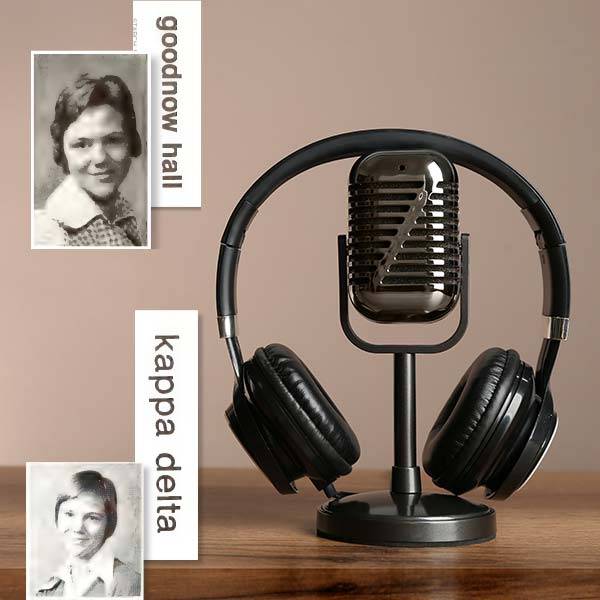
“Purple is my favorite color,” she said. “This must be where I got it, because I didn’t have one when I got here.”
Blount’s story is just one example of the rich, emotional depth oral histories can provide. Her memories of snowball fights in City Park, sociology classes in burned-out buildings and 50-year reunions are not just personal anecdotes — they are pieces of K-State’s collective memory.
Why it matters
As time passes, we risk losing these voices. Many alumni, faculty and staff who shaped K-State’s history have valuable experiences, and their stories may not be documented anywhere else. Capturing these memories now ensures future generations can learn from them, be inspired by them and feel connected to the university’s evolving identity.
Oral histories are more than recordings, they’re a legacy. They help us understand who we are, where we’ve been and where we’re going. They inform research, enrich teaching and foster a deeper sense of community.
As Blount reminded us, “The friendships you make here do last your entire life. They truly do.”
That’s the heart of K-State and it’s worth preserving.
What we’re doing
K-State Libraries’ oral history initiative will focus on key themes such as student life, campus traditions, underrepresented voices and major institutional milestones. Interviews will be recorded, transcribed and made accessible through the university archives and digital platforms. We’re also developing resources to help departments and student groups contribute their own stories.
As we approach the 100th anniversary of Farrell Library, we are especially eager to collect stories that reflect the library’s role in campus life. Whether it’s memories of studying late into the night, discovering a favorite book, working as a student employee or witnessing the library’s transformation over the decades, these stories are vital to understanding its impact. We invite anyone with a connection to K-State Libraries to share their experiences as part of this milestone celebration.
Get involved
Do you have a story to share? Know someone who does? We invite you to be part of this important project. Contact the Richard L. D. and Marjorie J. Morse Department of Archives and Special Collections at libsc@k-state.edu to learn more.